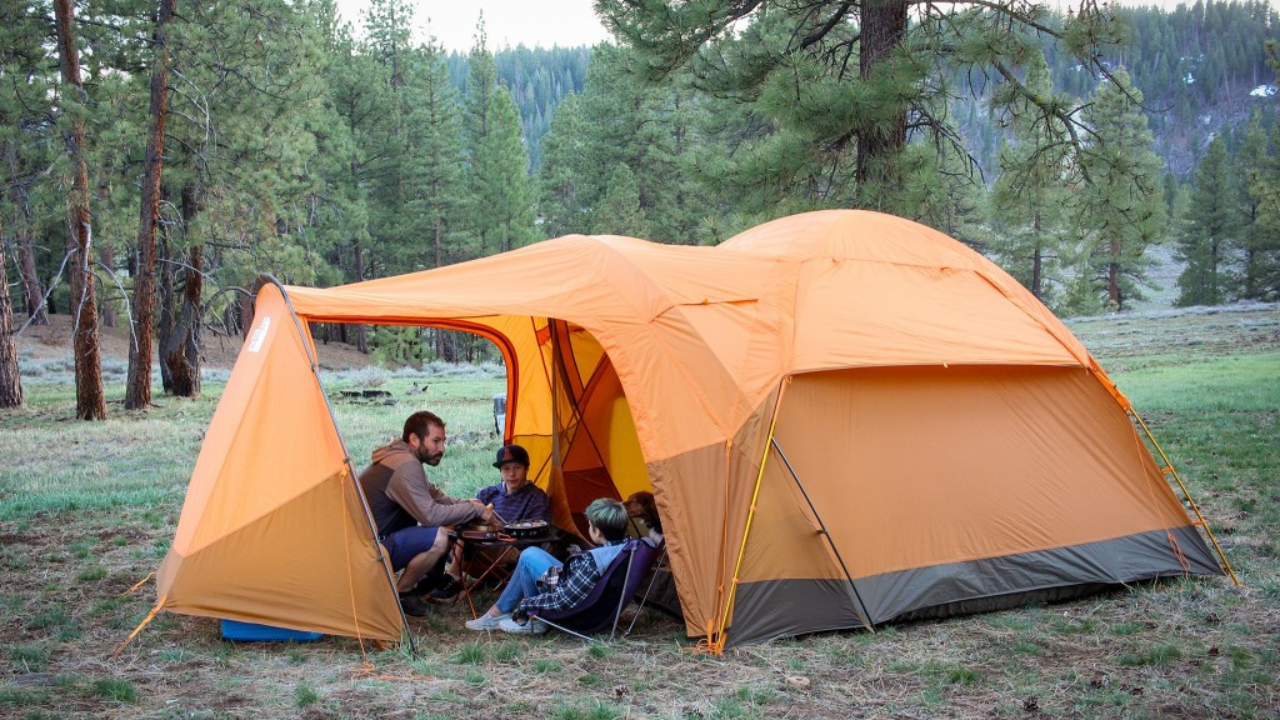
Brand exposure is vital in the outdoor and camping sector, where products are mostly consumed in social areas like campsites, fetes, exhibitions, and adventure tours. Branding wholesale camping tents and putting logos on them can help businesses transform practical shelters into very potent marketing instruments. From outdoor brands and rental companies to event organizers and promotion agencies, branded camping tents aid in building identity without sacrificing practicality and performance. The knowledge of the customization process will enable branding to add value to the tent without affecting quality or durability.
Knowledge of Branding Purposes and Tent Usages
Manufacturers usually consider the use and location of the display of the tent before initiating the customization process. Retail camping tents might be in need of subtle and stylish branding, whereas event or promotional tents might be in need of bold and highly visible logos. Branding is affected by the size of the tent, the target market, and environmental conditions. The clear vision of the goals of branding allows for a color scheme.
How to Choose the Tent Style to Be Branded
The styles of tents can be provided with different degrees of visibility and branding space. Dome tents offer proportions and several panels that are available to be used as logos. Tunnel tents and huge family tents have longer sidewalls and can be used to display bigger graphics. Promotional activities are usually done through pop-up tents because setup is quite fast and visibility is quite high. Tents that are inflated are usually utilized during exhibitions and outdoor marketing, and they offer smooth surfaces that enhance the brand presentation. The selection of the correct tent construction makes sure that branding is visible, professional, and similar from the various angles.
Positioning Logos and Visual Effectiveness
The logo location should be optimal in order to achieve the greatest brand recognition. The primary areas of branding are the rainfly, the sidewalls, the doors, and the tent peaks, in which these parts are visible once the tent is fully erected. Manufacturers will be looking at the way the tent will be viewed at various distances and angles to make the logo legible. Balanced positioning is not overcrowded and has a neat and high-end look. The contrast of color between the fabric and the logo is also well-calculated to make sure that it is visible both in the light and in the dark environment.
Printing and Branding Techniques
Camping tent customization involves a number of printing and branding methods, and each is adapted to the requirements of specific design materials. Simple logos and solid colors are commonly screen printed with the benefit of being durable and cost-effective when ordered in large quantities. More detailed designs and vibrant colors can be printed with heat transfer printing, which makes it appropriate to use in smaller production runs. Digital printing offers high-resolution graphics and intricate patterns, which can be used in entire panel branding and advertising tents.
Premium or long-term application: Embroidered logos or woven labels can be applied to specific sections of the tent. The methods provide a classy feel and improved brand image and sustainability in outdoor activities.
Material Compatibility and Durability
Effective tent branding requires compatibility of materials. Polyester, Oxford, and TC cotton tent fabric react differently to printing processes. To guarantee that the logos will be put in place correctly without tampering with the waterproofing process, UV resistance, or the strength of the fabric, the manufacturers perform the testing. This is done by using high-quality inks and treatments to ensure that they do not fade, crack, or peel when used frequently and exposed to weather.
Corporate Colors and Brand Loyalty
In addition to logos, complete customization commonly involves a similarity of tent colors to the brand name. Custom fabric dyeing enables the companies to have a consistent color of the brands used in a variety of products. High-level dyeing processes guarantee color stability and resistance to sunlight and moisture-induced fading. A consistent brand throughout the tents, accessories, and packaging reinforces brand recognition and establishes a harmonious brand image.
Sampling, Prototyping, and Quality Approval
Prior to mass production, manufacturers often offer pre-production samples for approval by all. These samples enable the brands to check the size of the logo, its position, and color accuracy, as well as its appearance. It is possible to make any necessary changes at this point, which will minimize the risk of mistakes during mass production. It is also through sampling that the longevity of the branding, even in real-life situations, is assessed in order to guarantee lasting satisfaction.
Conclusion
By integrating logos and branding in camping tents, the brands will increase the visibility of the brand, as well as provide functional outdoor products. Manufacturers assist businesses to produce branded tents that are aesthetically appealing and sustainable through the judicious choice of tent styles, branding methods, materials, and colors. The customization process is done with attention to detail to make certain that the branding is not blurred, weatherproof, and consistent with brand identity. With the expansion of outdoor marketing and branded experiences, there exist professionally tailored camping tents that have long-term value and high image appeal in any setting.